
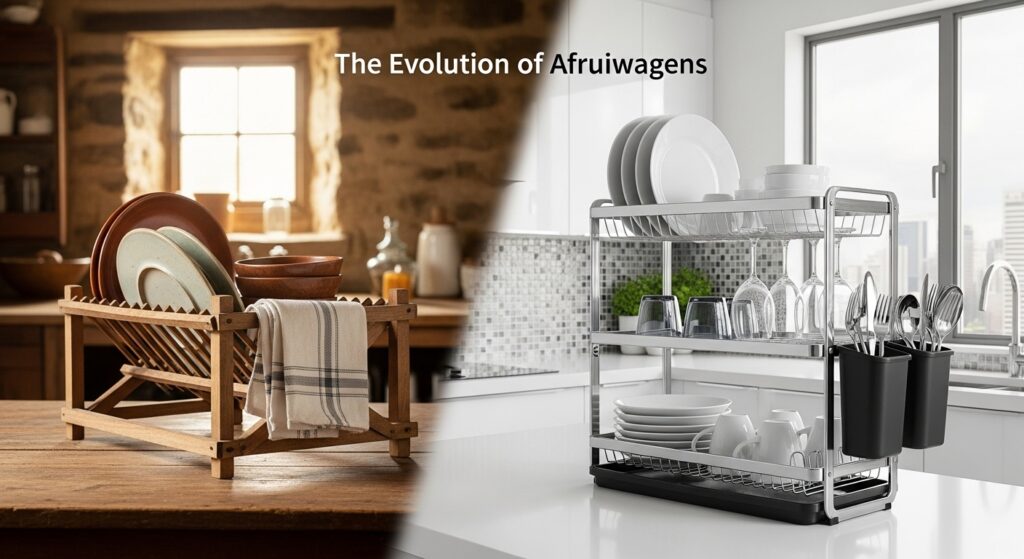
Afruiwagens have long been an integral part of African culture, serving as more than just a means of transportation. These unique vehicles embody rich traditions and reflect the diverse heritage of the continent. As we delve into their evolution, we uncover a fascinating journey marked by creativity, adaptation, and innovation.
From humble beginnings rooted in practicality to contemporary designs that embrace modern aesthetics and technology, Afruiwagens offer a glimpse into how cultural elements can blend seamlessly with global influences. Join us as we explore this captivating transformation—a story that celebrates not only craftsmanship but also sustainability and community impact. Get ready to discover the vibrant world of Afruiwagens!
Traditional Afruiwagen Designs:
Traditional Afruiwagens are remarkable vehicles that reflect cultural heritage. They serve not only as modes of transport but also as a means to convey stories and traditions.
These designs emphasize purpose and functionality. Each Afruiwagen is crafted for specific tasks—be it carrying goods or transporting people through rugged terrains. Their design reflects the needs of local communities, ensuring reliability in various environments.
Materials used in traditional models include wood, metal, and leather. Locally sourced elements make each vehicle unique and deeply rooted in its region’s culture. These materials speak to the craftsmanship passed down through generations.
Cultural significance plays a vital role too. Afruiwagens often feature intricate carvings or vibrant colors symbolizing tribal affiliations or significant events within communities. They aren’t just vehicles; they’re a celebration of identity and history intertwined with daily life.
A. Purpose and Functionality
Afruiwagens serve a vital role in traditional communities. These vehicles are designed for specific purposes, often tailored to meet the unique needs of their users.
Originally, Afruiwagens were crafted to transport goods and people across rugged terrains. Their functionality goes beyond mere transportation; they symbolize community and connection.
The design elements reflect practical considerations. Features like sturdy wheels and ample storage space make them ideal for various tasks, from market trips to family gatherings.
Moreover, these vehicles facilitate cultural practices. They help maintain traditions by allowing families to gather during festivals or important events.
In essence, Afruiwagens are more than just modes of transport—they embody a way of life that blends utility with social interaction. Each vehicle tells a story rooted in its purpose and the community it serves.
B. Materials Used
Traditional Afruiwagens are crafted from a variety of materials, each chosen for its unique properties and cultural relevance. Wood has always been a primary material, valued for its strength and flexibility. Artisans often select specific types of wood that reflect local resources.
Metal components are also common in these designs. Iron or steel is used to provide durability and support, especially in the framework. This combination creates an item that can withstand both time and harsh conditions.
Leather often enhances the aesthetic appeal of Afruiwagens. It adds comfort while showcasing intricate craftsmanship through traditional patterns and stitching techniques.
Natural fibers like sisal or straw may be woven into elements for added texture and functionality. These materials not only serve practical purposes but also connect users to their heritage, making every piece a story waiting to be told. The choice of materials reflects both practicality and artistic expression within communities across the continent.
C. Cultural Significance
Afruiwagens hold deep cultural significance across various African communities. They are more than just modes of transport; they represent a rich tapestry of tradition and heritage.
These vehicles often carry symbolic meanings tied to local customs. They play crucial roles in ceremonies, festivals, and important life events such as weddings or funerals. The designs can reflect tribal identities, showcasing unique patterns that tell stories from generations past.
Moreover, Afruiwagens facilitate social interaction within communities. Gathering around these vehicles fosters connections among people, strengthening bonds through shared journeys and experiences.
Artisans pour their skills into crafting each vehicle with care. This dedication not only preserves traditional craftsmanship but also ensures the passing down of knowledge to future generations. Each Afruiwagen is a testament to resilience, creativity, and communal spirit in the face of modern challenges.
Evolution of Afruiwagens:
The evolution of Afruiwagens reflects a dynamic blend of tradition and modernity. Early designs focused on practicality, often crafted from local materials that catered to specific needs.
As globalization took hold, Western design influences began to reshape Afruiwagen aesthetics. Sleeker lines and vibrant colors emerged, appealing to newer generations while retaining cultural roots.
Modern technology has also played a significant role in this transformation. Enhanced durability and comfort are now standard features, thanks to innovative manufacturing techniques.
Integrating smart technologies into Afrikaans craftsmanship marks an exciting shift as well. From solar panels for energy efficiency to advanced navigation systems, these vehicles are becoming more versatile than ever before.
This fusion of the old with the new is not just about looks; it’s about functionality that meets contemporary demands while respecting heritage. The journey continues as designers explore further possibilities within this unique automotive segment.
A. Influences from Western Design Trends
The influence of Western design trends has significantly shaped the evolution of Afruiwagens. As globalization increased, many artisans began experimenting with new forms and aesthetics. This fusion brought fresh perspectives to traditional craftsmanship.
One noticeable change is in the use of geometry and clean lines. Inspired by minimalist Western styles, some modern Afruiwagens showcase sleek silhouettes that contrast sharply with their ornate predecessors.
Color palettes have also shifted. Traditional designs often featured earthy tones reflective of local landscapes. Contemporary versions embrace bolder colors, drawing on popular Western hues to appeal to a broader audience.
Additionally, functionality became a focal point as consumers sought practicality alongside beauty. The blending of these influences creates unique pieces that honor heritage while catering to modern tastes.
B. Integration of Modern Technology
The integration of modern technology into Afruiwagens has transformed their design and functionality. Today’s designs feature innovative materials that enhance durability while maintaining traditional aesthetics.
Smart features are becoming commonplace. GPS navigation systems help users explore new terrains effortlessly, while solar panels offer sustainable energy solutions for off-grid adventures.
Additionally, lightweight construction techniques have emerged. These advancements improve fuel efficiency and handling without compromising on strength or style.
Digital craftsmanship allows artisans to create intricate patterns with precision, marrying old-world charm with contemporary flair. This blend of tradition and innovation attracts a broader audience, ensuring the survival of this cultural icon in a fast-paced world.
With each technological leap, Afruiwagens become more than just vehicles; they evolve into mobile expressions of culture that resonate with both heritage enthusiasts and modern adventurers alike.
Popular Modern Afruiwagen Designs:
Modern Afruiwagens have evolved into stunning masterpieces, combining aesthetics with functionality. These designs showcase sleek lines and vibrant colors that reflect the spirit of contemporary Africa.
Many new models incorporate advanced features like solar panels and smart storage solutions. This innovation not only enhances usability but also promotes an eco-friendly lifestyle.
Sustainability has become a key focus in modern designs. Many manufacturers use recycled materials, reducing their environmental footprint without sacrificing quality.
Moreover, customizability is on the rise. Owners can personalize their Afruiwagens to suit their unique tastes and needs, making each vehicle a reflection of individual identity.
These modern iterations are increasingly sought after for both urban living and outdoor adventures. They seamlessly blend tradition with modernity, offering versatility for various lifestyles while honoring cultural roots.
A. Features and Advantages
Modern Afruiwagens boast a range of features designed for both comfort and practicality. They often include spacious interiors, allowing families to travel together without feeling cramped. Enhanced storage options make them perfect for adventures or daily errands.
Many designs now incorporate advanced safety measures, ensuring peace of mind on the road. High-quality materials are used to create durable exteriors that can withstand various weather conditions.
Energy efficiency is another key advantage. With an emphasis on sustainable practices, many modern Afruiwagens use eco-friendly technologies that reduce carbon footprints. This not only benefits the environment but also saves owners money over time.
Additionally, customizable options allow buyers to personalize their vehicles according to specific needs and preferences. Whether it’s choosing colors or adding special features, the possibilities are endless with today’s designs.
B. Sustainability and Eco-Friendliness
Sustainability plays a crucial role in the design of modern Afruiwagens. As global awareness of environmental issues grows, so does the demand for eco-friendly alternatives.
Many contemporary designs incorporate recycled materials. This reduces waste and minimizes the carbon footprint associated with production.
Manufacturers are also focusing on energy-efficient methods. From sourcing raw materials to final assembly, every step is examined for its ecological impact.
Moreover, modern Afruiwagens often feature innovative designs that enhance fuel efficiency or utilize alternative energy sources such as solar power.
Such features not only appeal to environmentally conscious consumers but also reflect a broader commitment to sustainable living. The integration of these elements ensures that Afruiwagens remain relevant in an ever-evolving world while honoring their heritage and cultural significance.
Impact on Local Communities:
Afruiwagens have had a significant impact on local communities, shaping both culture and economy. These vehicles are more than just modes of transport; they embody the essence of African craftsmanship and heritage. As traditional designs evolved into modern interpretations, they created new opportunities for artisans and craftsmen.
The shift towards modern Afruiwagens has facilitated job creation in various sectors, from manufacturing to design. Local businesses benefit as demand grows for innovative features that cater to contemporary needs while retaining cultural relevance.
Moreover, with sustainability becoming a focal point in modern design, many Afruiwagens now utilize eco-friendly materials and production methods. This not only addresses environmental concerns but also promotes awareness within communities about sustainable practices.
As these vehicles continue to evolve, they play an essential role in connecting people—both physically and culturally—bridging gaps between tradition and innovation. The story of Afruiwagens is one that reflects resilience, adaptation, and growth within the vibrant tapestry of African society.