
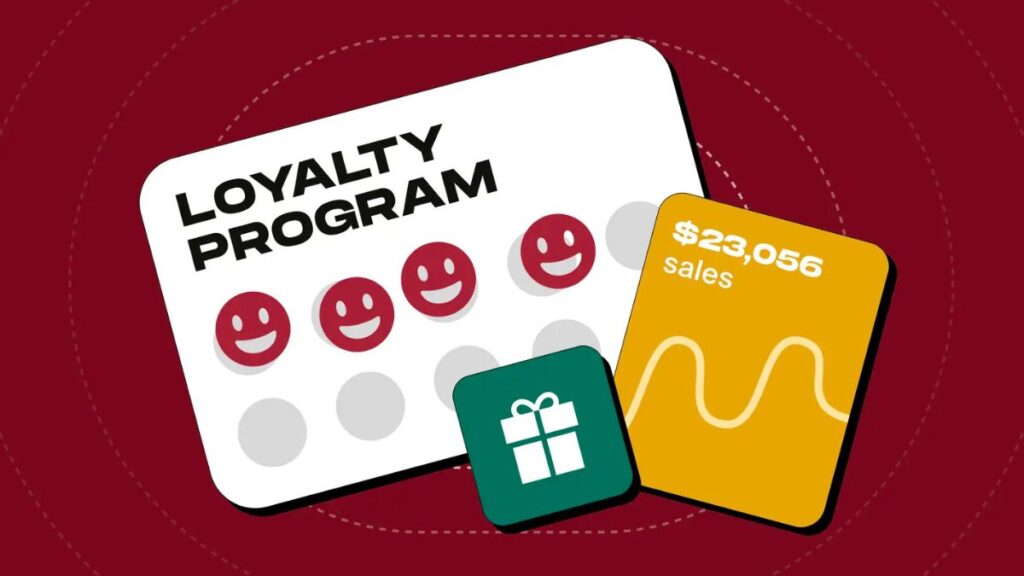
In today’s fast-moving digital economy, businesses are constantly looking for smarter ways to connect with customers. Traditional punch cards and paper coupons have gradually faded into the background, replaced by innovative, technology-driven solutions. Among these, mobile-based Loyalty programs have emerged as one of the most powerful tools for customer engagement and retention. With smartphones becoming an essential part of everyday life, brands now have a direct and personalized channel to interact with their audiences anytime and anywhere.
Mobile-driven Loyalty programs are not just a trend; they represent a significant shift in how companies build lasting customer relationships. Their growing popularity reflects changing consumer behavior, advancements in technology, and the increasing need for real-time engagement.
The Evolution of Loyalty Programs
Loyalty programs have been around for decades. In the past, they typically involved physical membership cards, paper-based rewards, or manual tracking systems. While effective to some extent, these traditional methods lacked personalization, data tracking, and instant communication.
The rise of smartphones has transformed this landscape. Mobile apps, digital wallets, SMS-based rewards, and QR-code systems have streamlined Loyalty programs, making them more accessible and user-friendly. Today, customers can track points, redeem rewards, receive personalized offers, and participate in promotions—all through their mobile devices.
This digital transformation has made Loyalty programs more efficient for businesses and more convenient for customers.
Why Mobile-Based Loyalty Programs Are Gaining Popularity
Several factors contribute to the rapid adoption of mobile-based Loyalty programs:
1. Convenience and Accessibility
Customers no longer need to carry multiple cards in their wallets. Everything is stored digitally in one device—their smartphone. Whether it’s scanning a QR code at checkout or redeeming a coupon through an app, the process is quick and seamless.
This convenience increases participation rates and encourages repeat engagement, which strengthens brand loyalty.
2. Real-Time Engagement
Mobile platforms allow businesses to communicate with customers instantly. Push notifications, SMS alerts, and in-app messages can inform users about new offers, reward updates, or limited-time promotions.
Unlike traditional Loyalty programs, mobile-based systems create real-time interactions that keep customers engaged and informed.
3. Personalized Experiences
Modern consumers expect personalized experiences. Mobile-based Loyalty programs use customer data—such as purchase history, preferences, and browsing behavior—to offer tailored rewards and recommendations.
For example, a retail brand can send targeted discounts based on previous purchases, while a restaurant can offer a free dessert on a customer’s birthday. This personalization increases satisfaction and strengthens emotional connections with the brand.
4. Integration with Gamification
One of the most exciting developments in mobile Loyalty programs is the integration of gamification loyalty program strategies. Gamification introduces game-like elements such as points, levels, badges, leaderboards, and challenges to motivate customer participation.
A gamification loyalty program makes the reward system more engaging and fun. Customers are not just earning points; they are completing challenges, unlocking achievements, and competing with others. This interactive approach significantly increases user engagement and retention.
The Role of Gamification in Mobile Loyalty Programs
Gamification has become a major driver of customer engagement in mobile Loyalty programs. By incorporating elements like:
- Reward tiers
- Daily challenges
- Spin-the-wheel promotions
- Referral competitions
- Achievement badges
Businesses can turn routine purchases into exciting experiences.
A well-designed gamification loyalty program taps into customers’ natural desire for achievement and recognition. When users feel rewarded for their actions, they are more likely to continue interacting with the brand.
For example, a fitness app may reward users with points for completing workouts, while an e-commerce platform may offer bonus points for writing product reviews. These activities strengthen engagement while providing value to the business.
Benefits for Businesses
Mobile-based Loyalty programs offer numerous advantages for businesses across industries:
1. Improved Customer Retention
Acquiring new customers is often more expensive than retaining existing ones. Loyalty programs encourage repeat purchases and long-term relationships, increasing customer lifetime value.
2. Enhanced Data Collection
Mobile platforms provide valuable insights into customer behavior. Businesses can track:
- Purchase frequency
- Preferred products
- Spending patterns
- Engagement levels
This data helps companies refine marketing strategies and improve product offerings.
3. Increased Sales and Revenue
Targeted promotions and personalized rewards drive higher conversion rates. When customers receive relevant offers at the right time, they are more likely to make a purchase.
A gamification loyalty program can further boost sales by encouraging customers to reach spending thresholds or complete challenges to unlock rewards.
4. Stronger Brand Connection
Consistent interaction through mobile apps fosters a sense of belonging. Customers feel valued when they receive personalized rewards and exclusive offers, leading to deeper brand loyalty.
Benefits for Customers
While businesses gain valuable advantages, customers also benefit significantly from mobile-based Loyalty programs:
- Easy access to rewards
- Faster redemption process
- Personalized offers
- Exclusive deals
- Engaging experiences through gamification
Customers appreciate simplicity and transparency. Mobile platforms allow them to track points in real time and understand how close they are to earning rewards.
Industry-Wide Adoption
Mobile-based Loyalty programs are being adopted across various sectors:
- Retail and e-commerce
- Restaurants and food delivery
- Travel and hospitality
- Fitness and wellness
- Banking and financial services
From coffee shops offering digital stamp cards to airlines providing app-based reward tracking, businesses of all sizes are leveraging mobile technology to strengthen customer relationships.
Small businesses, in particular, benefit from affordable app-based solutions that compete with larger brands’ sophisticated Loyalty programs.
Key Features of Successful Mobile Loyalty Programs
To maximize effectiveness, mobile Loyalty programs should include:
- User-Friendly Interface
The app must be easy to navigate, with clear instructions and simple reward tracking. - Seamless Integration
Integration with payment systems, CRM platforms, and e-commerce websites ensures smooth operations. - Clear Reward Structure
Customers should easily understand how to earn and redeem rewards. - Gamification Elements
Incorporating gamification loyalty program strategies increases engagement and long-term participation. - Data Security and Privacy
Protecting customer data builds trust and ensures compliance with regulations.
Challenges to Consider
Despite their advantages, mobile-based Loyalty programs also present challenges:
- App fatigue among users
- Data privacy concerns
- Technical maintenance costs
- Need for continuous innovation
Businesses must regularly update features, introduce new rewards, and keep the experience fresh to maintain user interest.
The Future of Mobile-Based Loyalty Programs
The future of Loyalty programs lies in advanced technologies such as artificial intelligence, machine learning, and predictive analytics. These tools will enhance personalization and provide deeper customer insights.
Emerging trends include:
- AI-driven recommendations
- Location-based rewards
- Contactless payment integration
- Social sharing incentives
- Augmented reality experiences
The combination of mobile convenience and gamification loyalty program strategies will continue shaping customer engagement in the coming years.
As consumers demand faster, smarter, and more personalized interactions, businesses that invest in mobile Loyalty programs will gain a competitive advantage.
Conclusion
Mobile-based Loyalty programs have revolutionized customer engagement by combining convenience, personalization, and real-time interaction. Their growing popularity reflects the shift toward digital experiences and the increasing reliance on smartphones in everyday life.
By integrating gamification loyalty program features, businesses can transform traditional reward systems into engaging and interactive experiences. This approach not only increases customer retention but also strengthens brand relationships and drives revenue growth.
In a competitive marketplace, companies that embrace innovative Loyalty programs will be better positioned to build long-term customer loyalty and sustainable success.