
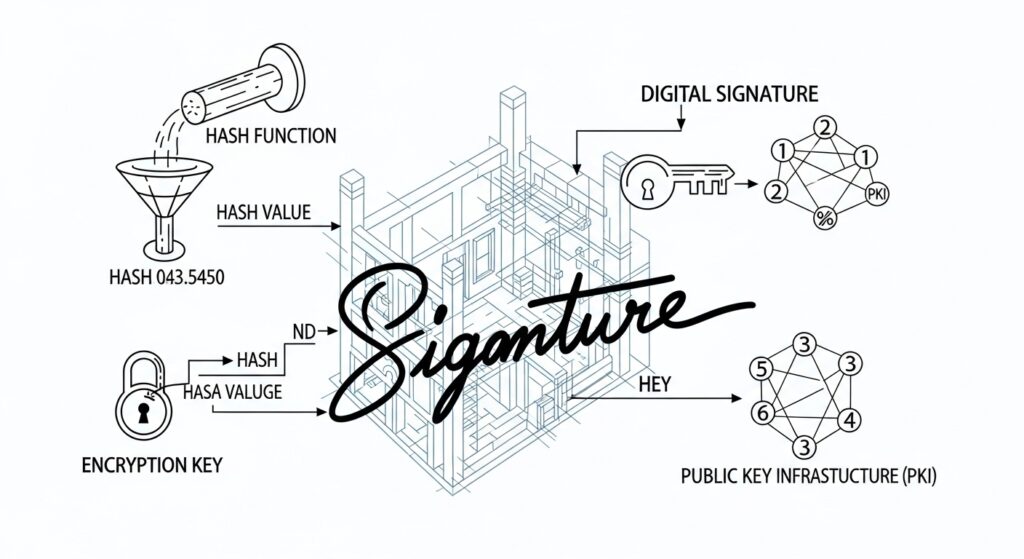
In the vast and intricate ecosystem of modern technology, strings like KZ43X9NNJM65 may appear random, but they carry profound significance. Such alphanumeric sequences form the structural backbone of digital systems, enabling secure communication, precise tracking, and seamless automation.
KZ43X9NNJM65 represents more than a code—it symbolizes the hidden architecture that ensures order within digital complexity.
The Power of Uniqueness
In digital environments handling millions—or billions—of records, uniqueness is critical. Identifiers such as KZ43X9NNJM65 serve essential purposes:
-
Distinguishing one entity from another
-
Preventing duplication in databases
-
Enabling accurate system referencing
-
Supporting automated workflows
Without unique identifiers, data integrity and operational efficiency would quickly deteriorate.
A Foundation of Cybersecurity
Security systems rely heavily on unpredictable strings to protect sensitive information. Codes like KZ43X9NNJM65 can function as:
-
Authentication tokens
-
Encryption keys
-
Secure session identifiers
-
Verification hashes
Their complexity enhances protection against unauthorized access, brute-force attacks, and data breaches.
Organizing the Digital Universe
Modern organizations generate immense volumes of structured and unstructured data. Unique identifiers ensure that information remains connected and retrievable.
KZ43X9NNJM65 could represent:
-
A user account ID
-
A transaction reference number
-
A serialized device identifier
-
A database record key
Through such identifiers, digital systems maintain clarity even as scale increases.
Applications in Commerce and Logistics
In global commerce, tracking and traceability are essential. An alphanumeric string like KZ43X9NNJM65 might serve as:
-
An order confirmation number
-
A shipment tracking code
-
A product serial number
-
A blockchain transaction hash
These identifiers build transparency and trust between businesses and consumers.
Integration with Emerging Technologies
As innovation accelerates, the role of structured identifiers expands.
Blockchain Networks
Transaction hashes ensure immutability and ledger integrity.
Internet of Things (IoT)
Connected devices require unique IDs to communicate within smart environments.
Artificial Intelligence Systems
Machine learning models depend on accurately labeled datasets.
KZ43X9NNJM65 reflects the precision needed for these interconnected systems.
Human Interaction with Digital Codes
Though highly technical, these identifiers regularly intersect with everyday life:
-
Booking references for travel
-
Payment confirmation numbers
-
Password reset tokens
-
Digital certificates
Users may not analyze them, but they rely on them to confirm legitimacy and maintain trust.
Challenges and Considerations
While essential, alphanumeric identifiers also require careful management:
-
Secure generation algorithms
-
Proper indexing and storage
-
Protection against unauthorized exposure
-
Systematic lifecycle tracking
Effective governance ensures that identifiers remain reliable and secure.
The Future of Digital Identification
As digital identity systems become more advanced, identifiers like KZ43X9NNJM65 will play an even greater role in:
-
Decentralized identity verification
-
Autonomous machine communication
-
Smart contract validation
-
Biometric-linked security frameworks
The demand for secure, scalable identification systems will continue to rise.
Conclusion
KZ43X9NNJM65 may look like a random string of characters, but it represents the invisible framework that powers digital precision. From cybersecurity and commerce to emerging technologies, structured identifiers ensure reliability, traceability, and trust.
In an increasingly interconnected world, codes like KZ43X9NNJM65 are not mere sequences—they are the digital signatures that sustain modern innovation.