
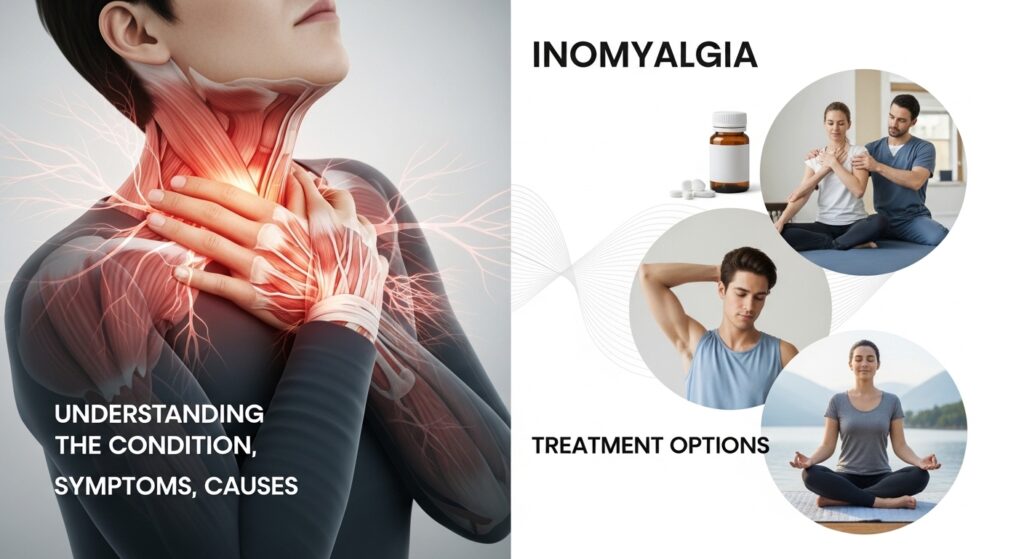
Muscle pain is a common complaint that affects millions of people worldwide. One term often discussed in medical and health circles is Inomyalgia. Although less commonly referenced than general muscle pain or myalgia, inomyalgia specifically refers to localized or systemic muscle discomfort that can significantly impact daily life. Understanding its causes, symptoms, and management options is crucial for anyone experiencing persistent muscle pain.
What Is Inomyalgia?
Inomyalgia is a medical term used to describe muscle pain, soreness, or discomfort. While “myalgia” broadly refers to muscle pain, inomyalgia typically emphasizes specific types of muscle discomfort that may result from medical conditions, physical strain, or other underlying health issues.
The pain can be:
-
Localized – Affecting a specific muscle or group of muscles
-
Systemic – Involving widespread muscle discomfort across multiple areas of the body
Inomyalgia can range from mild and occasional discomfort to severe and chronic pain that interferes with daily activities.
Causes of Inomyalgia
There are numerous potential causes of inomyalgia, including:
1. Physical Strain
Overuse of muscles during exercise, heavy lifting, or repetitive movements can lead to inomyalgia. This is one of the most common causes and is typically temporary.
2. Injuries
Muscle tears, strains, or sprains can result in localized inomyalgia. These injuries often occur during physical activity or accidents.
3. Medical Conditions
Certain medical conditions can cause muscle pain, including:
-
Fibromyalgia – Chronic widespread musculoskeletal pain
-
Polymyalgia rheumatica – Inflammatory condition causing pain in the shoulders and hips
-
Infections – Viral or bacterial infections may lead to muscle soreness
-
Autoimmune disorders – Conditions like lupus or rheumatoid arthritis can contribute to inomyalgia
4. Medication Side Effects
Some medications, such as statins used to lower cholesterol, may cause muscle pain as a side effect.
5. Nutritional Deficiencies
Lack of essential nutrients, particularly vitamin D, magnesium, and potassium, can lead to muscle weakness and pain.
6. Stress and Fatigue
Chronic stress and fatigue can cause muscle tension, which may result in inomyalgia.
Symptoms of Inomyalgia
The symptoms of inomyalgia can vary based on the underlying cause, but common indicators include:
-
Persistent or intermittent muscle pain
-
Muscle stiffness or tightness
-
Tenderness when touching affected areas
-
Fatigue or weakness in the muscles
-
Cramping or spasms in severe cases
-
Pain that worsens with movement or physical activity
Some people may experience localized pain, while others report more generalized or systemic discomfort.
Diagnosis of Inomyalgia
Proper diagnosis is essential to identify the underlying cause and guide treatment. Medical professionals may use several approaches:
1. Physical Examination
A doctor may examine the affected muscles for tenderness, swelling, or abnormal movement patterns.
2. Medical History
Understanding a patient’s history of injuries, exercise habits, medication use, and pre-existing conditions helps identify potential causes.
3. Laboratory Tests
Blood tests may check for inflammation markers, vitamin deficiencies, or signs of infection or autoimmune disorders.
4. Imaging Studies
In some cases, MRI, ultrasound, or X-rays may be used to detect muscle damage, inflammation, or structural abnormalities.
5. Specialist Referrals
In complex cases, patients may be referred to rheumatologists, neurologists, or physical therapists for further evaluation.
Treatment Options for Inomyalgia
Treatment for inomyalgia depends on the underlying cause and severity of the muscle pain. Common approaches include:
1. Medications
-
Pain Relievers: Over-the-counter options like acetaminophen or ibuprofen can reduce pain and inflammation.
-
Muscle Relaxants: Prescription medications may help relieve severe muscle tightness or spasms.
-
Anti-Inflammatory Drugs: Used when inflammation contributes to muscle pain.
2. Physical Therapy
Physical therapy can help strengthen muscles, improve flexibility, and reduce pain. Techniques may include:
-
Stretching exercises
-
Strength training
-
Posture correction
-
Massage therapy
3. Lifestyle Modifications
-
Rest and Recovery: Allowing muscles time to heal after injury or strain.
-
Balanced Diet: Ensuring adequate intake of vitamins and minerals for muscle health.
-
Hydration: Proper hydration helps prevent cramps and muscle fatigue.
-
Stress Management: Techniques like meditation, yoga, or deep breathing can reduce muscle tension.
4. Alternative Therapies
Some individuals benefit from complementary approaches, including:
-
Acupuncture
-
Chiropractic care
-
Herbal supplements (with medical guidance)
5. Addressing Underlying Conditions
For muscle pain caused by autoimmune disorders, infections, or chronic diseases, treating the underlying condition is essential to relieve inomyalgia.
Preventing Inomyalgia
While not all causes of inomyalgia can be prevented, several strategies may reduce the risk or severity:
-
Regular Exercise: Strengthening and stretching muscles can prevent strain.
-
Proper Technique: Using correct posture and techniques during exercise or heavy lifting reduces injury risk.
-
Balanced Nutrition: Adequate intake of vitamins, minerals, and protein supports muscle function.
-
Hydration: Drinking sufficient water prevents cramps and maintains muscle health.
-
Adequate Rest: Allowing muscles to recover after physical activity prevents overuse injuries.
-
Stress Management: Reducing tension through relaxation techniques can prevent muscle tightness.
When to See a Doctor
It’s important to consult a healthcare professional if inomyalgia:
-
Persists for several weeks without improvement
-
Is accompanied by swelling, redness, or fever
-
Causes significant weakness or inability to perform daily activities
-
Occurs alongside other unexplained symptoms like joint pain or numbness
Early diagnosis and intervention can prevent complications and improve long-term outcomes.
Living with Inomyalgia
For individuals experiencing chronic or recurring inomyalgia, adopting a proactive approach is essential:
-
Keep a pain journal to track triggers, duration, and severity
-
Engage in regular low-impact exercise such as walking, swimming, or yoga
-
Maintain a balanced diet rich in calcium, magnesium, potassium, and vitamin D
-
Practice stress reduction techniques to minimize muscle tension
-
Work with a healthcare team to develop a personalized management plan
By combining medical treatment with lifestyle strategies, individuals can manage symptoms effectively and maintain quality of life.
Conclusion
Inomyalgia is a term describing muscle pain that can range from mild discomfort to severe chronic pain. It may result from physical strain, injuries, medical conditions, medication side effects, or lifestyle factors. Understanding the symptoms, causes, and treatment options is essential for effective management.
While medications, physical therapy, and alternative treatments can relieve symptoms, lifestyle modifications such as proper exercise, nutrition, hydration, and stress management play a crucial role in prevention and long-term management.
Early intervention, proper diagnosis, and a holistic approach to muscle health can help individuals manage inomyalgia effectively, reduce discomfort, and maintain mobility and overall well-being.