
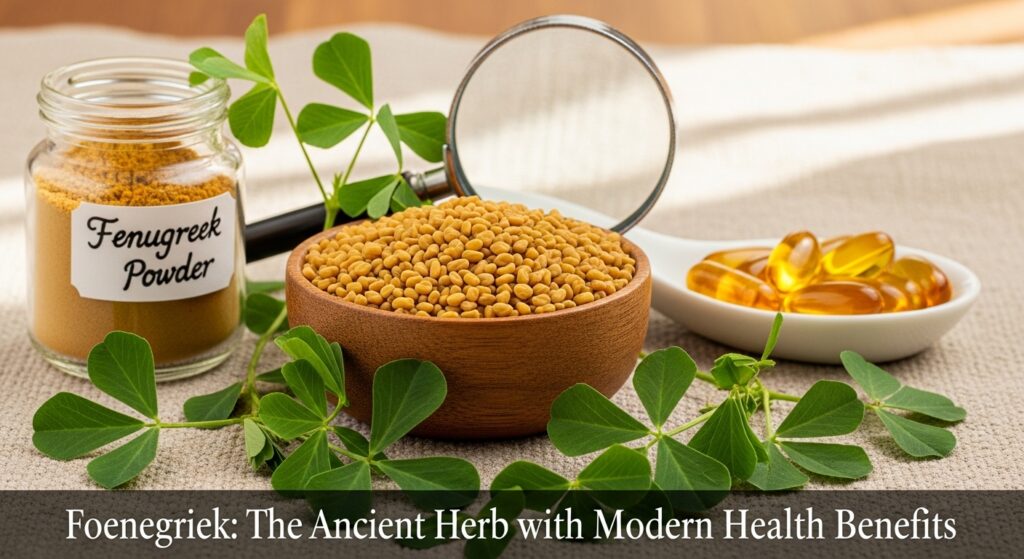
Foenegriek, commonly known in English as fenugreek, is a powerful herb that has been valued for centuries across different cultures. From traditional medicine systems to modern wellness routines, foenegriek continues to hold an important place in natural health practices. Its seeds and leaves are widely used in cooking, herbal remedies, and nutritional supplements.
This article explores the origins, nutritional profile, health benefits, culinary uses, and growing popularity of foenegriek in today’s world.
What Is Foenegriek?
Foenegriek refers to the plant scientifically known as Trigonella foenum-graecum. It belongs to the legume family and is native to regions of the Mediterranean, South Asia, and the Middle East. The plant produces small golden-brown seeds and green leaves, both of which are used for different purposes.
The seeds have a slightly bitter taste with a maple-like aroma, while the leaves are often used as a leafy vegetable or dried herb. Foenegriek has been cultivated for thousands of years and is mentioned in ancient Egyptian, Greek, and Indian texts.
Historical Significance of Foenegriek
Foenegriek has a rich history that spans multiple civilizations. Ancient Egyptians used it in embalming practices and as a medicinal herb. In traditional Indian medicine, particularly Ayurveda, it has been valued for its warming properties and digestive benefits.
In traditional Chinese medicine, foenegriek has also been used to support kidney health and improve circulation. Over time, its reputation as a versatile healing plant spread throughout Europe and Asia.
Today, foenegriek continues to be respected as both a culinary spice and a natural remedy.
Nutritional Profile
Foenegriek seeds are packed with essential nutrients. They contain:
-
Fiber
-
Protein
-
Iron
-
Magnesium
-
Manganese
-
Vitamin B6
They are also rich in plant compounds such as saponins and flavonoids, which are believed to contribute to many of the herb’s health benefits.
The high fiber content makes foenegriek particularly beneficial for digestive health. Additionally, its protein and mineral content support overall wellness.
Health Benefits of Foenegriek
1. Supports Digestive Health
One of the most well-known benefits of foenegriek is its ability to support digestion. The fiber in the seeds can help regulate bowel movements and reduce constipation. It may also soothe stomach discomfort and promote healthy gut bacteria.
2. Helps Regulate Blood Sugar
Several studies suggest that foenegriek may help maintain healthy blood sugar levels. The soluble fiber in the seeds can slow down carbohydrate absorption, which may assist in blood sugar management.
For individuals looking to support metabolic health naturally, foenegriek has become a popular herbal option.
3. Promotes Heart Health
Foenegriek may contribute to improved heart health by helping to manage cholesterol levels. Some research indicates that regular consumption of fenugreek seeds may reduce total cholesterol and LDL (bad cholesterol).
Combined with a balanced diet and exercise, foenegriek can be part of a heart-conscious lifestyle.
4. Supports Lactation
Foenegriek is widely known for its traditional use in supporting breast milk production in nursing mothers. It is often included in herbal teas and supplements designed for lactation support.
While many women report positive results, it is always recommended to consult a healthcare professional before starting any herbal supplement.
5. Enhances Skin and Hair Health
Foenegriek is commonly used in natural beauty treatments. Ground seeds can be mixed into face masks to help with acne and inflammation. The herb’s antioxidants may contribute to clearer skin.
For hair care, foenegriek paste is sometimes applied to the scalp to reduce dandruff and promote stronger hair growth.
Culinary Uses of Foenegriek
Foenegriek plays a central role in many traditional dishes. In Indian cuisine, the seeds are used in spice blends such as curry powders and garam masala. The leaves, known as “methi,” are used fresh or dried in breads and vegetable dishes.
In Middle Eastern cooking, foenegriek may be added to stews or spice mixes. Its unique flavor enhances savory dishes and adds depth to recipes.
Because of its slightly bitter taste, foenegriek is often roasted before use to mellow its intensity and bring out its nutty aroma.
Modern Popularity and Supplements
In recent years, foenegriek has gained popularity as a dietary supplement. Capsules, powders, and teas containing fenugreek extract are widely available in health stores.
Athletes and fitness enthusiasts sometimes use foenegriek supplements as part of natural wellness routines. The herb’s traditional use and growing scientific interest have contributed to its global appeal.
However, as with any supplement, moderation and medical advice are important.
How to Use Foenegriek Safely
Foenegriek is generally safe when consumed in culinary amounts. When taken in supplement form, it is best to follow dosage guidelines provided by manufacturers or healthcare professionals.
Possible side effects may include mild digestive discomfort in some individuals. Pregnant women should consult a healthcare provider before using foenegriek supplements.
Starting with small amounts and observing how your body responds is a practical approach.
Growing Foenegriek at Home
Foenegriek is relatively easy to grow. It thrives in warm climates and well-drained soil. The seeds can be sown directly into garden beds or containers.
The plant grows quickly, and its leaves can be harvested within a few weeks. Growing foenegriek at home provides access to fresh leaves and seeds without relying on store-bought products.
This makes it a popular choice for home gardeners interested in herbs and natural living.
Conclusion
Foenegriek is a remarkable herb with a long history and wide range of uses. From ancient medicinal practices to modern nutritional supplements, it continues to demonstrate versatility and value.
Its benefits for digestion, blood sugar regulation, heart health, and lactation support make it a staple in traditional and contemporary wellness practices. In the kitchen, it adds rich flavor and aroma to countless dishes.
As interest in natural health solutions grows, foenegriek remains a trusted and time-honored herb that bridges tradition and modern science.