
Introduction to Dichosity
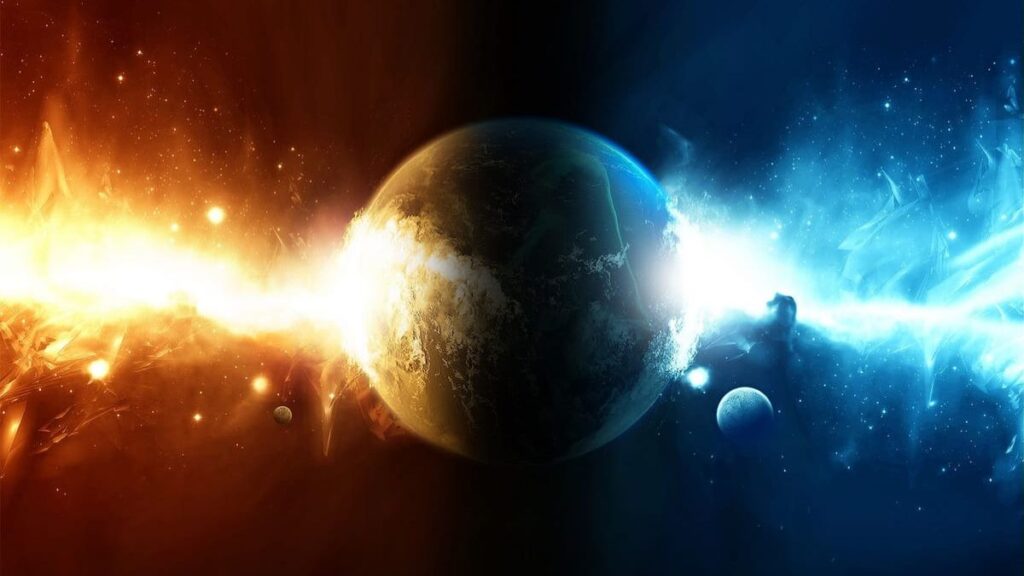
Have you ever felt torn between two conflicting desires or beliefs? That tug-of-war within us might stem from a concept known as dichosity. This fascinating idea suggests that our existence is not just a single thread but rather a tapestry woven from contrasting elements. From the duality of light and darkness to the balance of joy and sorrow, dichosity reflects the complexity of life itself.
In exploring this dual nature, we can uncover profound insights about ourselves and the world around us. Whether it’s through spiritual teachings, philosophical discussions, or scientific analysis, understanding dichosity opens doors to deeper self-awareness and harmony in our lives. Join me on this journey to explore how embracing both sides of existence can enhance your relationships and enrich your everyday experiences.
The Concept of Duality in Different Religions and Philosophies
Many religions explore the idea of duality, portraying life as a balance between opposing forces. In Hinduism, for instance, the concept of *Shiva* and *Shakti* highlights creation and destruction, emphasizing that both are vital to existence.
Buddhism introduces the notion of suffering and enlightenment. Here, duality reflects our journey through pain towards spiritual awakening. This perspective teaches acceptance rather than avoidance.
In Western philosophy, thinkers like Plato highlighted forms versus shadows—what is real against what is perceived. This distinction invites us to question our realities continually.
Even in ancient Chinese thought, Taoism embraces duality with its yin-yang symbol. It symbolizes harmony derived from opposites: light and dark or male and female.
Each tradition offers insights into how we can navigate life’s complexities by recognizing these inherent contrasts without fear or resistance.
Scientific Explanation of Dichosity
Dichosity can be explored through the lens of science, where duality manifests in various forms. Take quantum physics, for example. It reveals that particles like electrons exist as both waves and particles. This dual nature challenges our understanding of reality.
In biology, dichosity is evident in genetic expressions. Genes can behave differently depending on environmental factors, showcasing how traits evolve over time while retaining their core essence.
Psychologically, we often navigate between logic and emotion. Our decision-making process frequently oscillates between rational thought and instinctive feelings. This interplay influences behavior significantly.
Neuroscience also unveils the brain’s complexity with its two hemispheres—left for analytical tasks and right for creativity. Each side contributes uniquely to our perception of the world.
These scientific perspectives illuminate how dichosity underpins not just existence but also our interpretation of it across realms—from subatomic structures to human consciousness.
The Impact of Dichosity on Human Behavior and Relationships
Dichosity plays a pivotal role in shaping human behavior and the dynamics of relationships. Our inner conflicts often stem from this duality, leading us to act in ways that seem contradictory. One moment we seek connection; the next, we crave solitude.
This push and pull can create tension within ourselves and with others. For instance, individuals may oscillate between love and resentment toward partners or friends. Such fluctuations can lead to misunderstandings if not properly addressed.
Moreover, dichosity encourages empathy. Recognizing our own conflicting emotions helps us understand those of others. When we embrace this complexity, our relationships deepen.
It also fosters growth. Confronting opposing feelings pushes us to reflect on our values and priorities. This journey ultimately leads to more authentic connections as we learn to navigate our multifaceted nature together with those around us.
Embracing and Balancing the Two Sides of Existence
Embracing dichosity means acknowledging the two sides of existence. Life is not just light or dark, joy or sorrow. It’s a blend of both.
To find balance, we must accept our complexities. Emotions fluctuate; some days are brighter than others. Recognizing these shifts helps us navigate challenges with grace.
Practicing mindfulness can cultivate this awareness. By being present, we learn to appreciate each moment without judgment. This fosters a sense of peace amidst chaos.
Engaging in activities that nurture both sides is essential too. Creative outlets can express joy and pain simultaneously, while meaningful conversations deepen connections.
Embracing dichosity enriches life experiences. We grow by understanding and accepting all aspects of ourselves—both strengths and vulnerabilities thrive together when acknowledged mindfully.
Applying Dichosity to Everyday Life
Applying dichosity to everyday life can transform the way we navigate our daily experiences. Acknowledging both sides of a situation allows for deeper insights and connections.
Consider decision-making. Embracing dichosity means weighing opposing viewpoints, leading to more informed choices. This balance helps us understand that every decision carries both advantages and drawbacks.
In relationships, recognizing the dual nature of emotions fosters empathy. It encourages open dialogue about feelings, creating stronger bonds between partners or friends.
Moreover, managing stress involves understanding our highs and lows. Accepting these fluctuations empowers us to find coping strategies tailored to our unique emotional landscape.
By weaving the concept of dichosity into routines, we cultivate resilience and adaptability across all areas of life. Each moment becomes an opportunity for growth as we embrace complexity rather than shy away from it.
Conclusion: Finding Harmony in the Dual Nature of Existence
Finding harmony in the dual nature of existence, or dichosity, invites us to explore the rich interplay between contrasting forces. Embracing this concept allows for a deeper understanding of ourselves and our surroundings.
Life is filled with opposites: joy and sorrow, light and dark, love and fear. Recognizing these opposing elements empowers us to appreciate their coexistence. Instead of viewing them as conflicts, we can see them as partners that shape our experiences.
Striving for balance in dichosity enhances our relationships too. It encourages empathy as we recognize that others may be navigating similar dualities within themselves. This awareness fosters connection and compassion.
Incorporating the principles of dichosity into daily routines can lead to personal growth. Simple practices like mindfulness help cultivate an appreciation for both sides of life’s spectrum.
As we journey through existence, embracing dichosity paves the way toward a more harmonious life experience where acceptance reigns over resistance and understanding triumphs over judgment.