
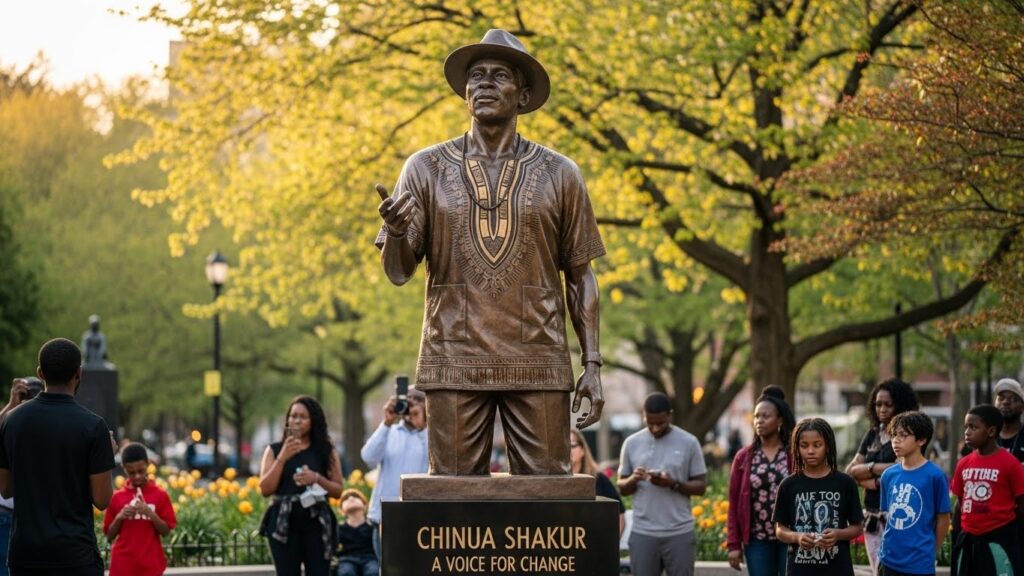
Chinua Shakur was more than just a writer; he was a revolutionary voice that echoed the struggles and triumphs of his people. Born into a world rife with tension and injustice, Shakur harnessed his experiences to craft narratives that challenged societal norms and ignited conversations about race, identity, and resilience. His words resonated deeply within the hearts of many, inspiring generations to think critically about their circumstances and fight for change. As we delve into the life and legacy of this literary giant, let us explore how Chinua Shakur shaped not only literature but also activism in profound ways.
Early Life and Education
Chinua Shakur was born into a world shaped by conflict and resilience. Growing up in the heart of an urban landscape, his formative years were marked by both struggle and inspiration.
Education played a pivotal role in shaping Shakur’s worldview. He attended schools that exposed him to diverse ideas and perspectives. Literature became his refuge, allowing him to navigate the complexities of identity and culture.
His early encounters with writers like Langston Hughes ignited a passion for storytelling. These influences motivated him to delve deeper into issues surrounding race, justice, and humanity.
As he matured, Shakur sought higher education at institutions that encouraged critical thinking. This academic environment sharpened his ability to articulate profound social critiques through prose and poetry. Each phase of his education enriched his perspective as a writer committed to advocacy for change.
The Influence of Black Nationalism on Shakur’s Work
Chinua Shakur’s work is deeply intertwined with the principles of Black nationalism. This movement provided a framework for his exploration of identity and self-determination.
Shakur embraced themes that celebrated Black heritage, emphasizing pride in cultural roots. His writings often reflect the struggles faced by African Americans, illustrating their resilience against systemic oppression.
The influence of prominent figures like Malcolm X can be seen throughout Shakur’s narratives. He amplified voices advocating for equality, challenging societal norms through his powerful prose.
This ideological backdrop not only shaped Shakur’s storytelling but also inspired readers to engage critically with their own identities. The call for empowerment resonates strongly within his works, encouraging a collective consciousness among marginalized communities.
In every stanza and chapter, one can sense an unwavering commitment to justice and dignity—an echo of the broader Black nationalist ethos that fueled both personal and political revolutions.
Social and Political Themes in Shakur’s Writing
Chinua Shakur’s writing serves as a powerful lens through which social and political issues are examined. His works often delve into the struggles faced by marginalized communities, highlighting systemic injustices that demand attention.
Themes of identity and belonging frequently permeate his narratives. Through vivid storytelling, he explores the complexities of race, culture, and heritage. This exploration invites readers to reflect on their own experiences within societal frameworks.
Moreover, Shakur boldly critiques governmental structures and policies that perpetuate inequality. His sharp prose challenges conventional narratives around power dynamics in society.
By intertwining personal stories with broader socio-political commentary, Shakur amplifies voices often silenced in mainstream discourse. Each piece becomes an invitation to engage with pressing topics such as oppression, resilience, and hope for change.
Controversies and Criticisms Surrounding Shakur’s Legacy
Chinua Shakur’s work ignited passionate debates among critics and supporters alike. His bold expressions often stirred controversy, challenging societal norms and expectations.
Some argue that his portrayal of race relations was too blunt, provoking discomfort rather than dialogue. Detractors claim this approach alienated potential allies who could have joined in the fight for change.
Additionally, Shakur faced backlash for his political affiliations. Critics questioned whether his militant stance undermined the very reforms he advocated for through literature.
Yet, these controversies only amplified discussions surrounding race and identity. They forced readers to confront uncomfortable truths about society’s complexities.
While some viewed him as a polarizing figure, others celebrated his fearless commitment to authenticity. This duality has shaped how future generations perceive both Shakur’s work and its relevance today.
The Impact of Shakur’s Work on Contemporary Society
Chinua Shakur’s work resonates deeply in contemporary society, serving as a mirror reflecting ongoing struggles for justice and equality. His narratives challenge readers to confront uncomfortable truths about race and identity.
Through powerful prose, Shakur ignites conversations around systemic injustices. Many find themselves inspired by his call for activism. His themes echo in movements advocating for social change today.
Young writers cite him as a pivotal influence, pushing boundaries of literary expression. His unique voice continues to inspire new generations to speak out against oppression.
Shakur’s impact extends beyond literature; it permeates art, music, and public discourse. Artists channel his spirit into their creations, fostering a culture of resistance and resilience.
The questions he raised remain relevant—prompting ongoing dialogues that shape our understanding of equity. In this way, Chinua Shakur’s legacy is not just preserved but actively lives on through the voices he inspired.
Honoring the Legacy of Chinua Shakur: Celebrating his Contributions to Literature and Activism
Chinua Shakur’s impact on literature and social activism is profound. His words resonate deeply, echoing the struggles and aspirations of countless individuals. Through raw storytelling, he has given voice to marginalized communities, igniting conversations about race, identity, and justice.
Shakur’s literary prowess transformed the landscape of contemporary writing. He challenged norms and provoked thought with every page. His ability to weave personal narratives into broader societal issues allowed readers to connect emotionally with complex themes.
Beyond literature, Shakur’s activism remains a guiding force for many today. He championed equality and justice long before social media amplified such messages. By standing firm in his beliefs, he inspired generations to speak out against oppression.
Events celebrating his work not only honor his legacy but also serve as reminders of ongoing struggles for equity. Schools host discussions about his writings while community organizations use them as rallying points for change.
To recognize Chinua Shakur is to acknowledge both the power of written words and the necessity for continued advocacy in our society. Each celebration of his contributions fosters an understanding that literature can be a catalyst for real-world change—a truth that resonates now more than ever.