
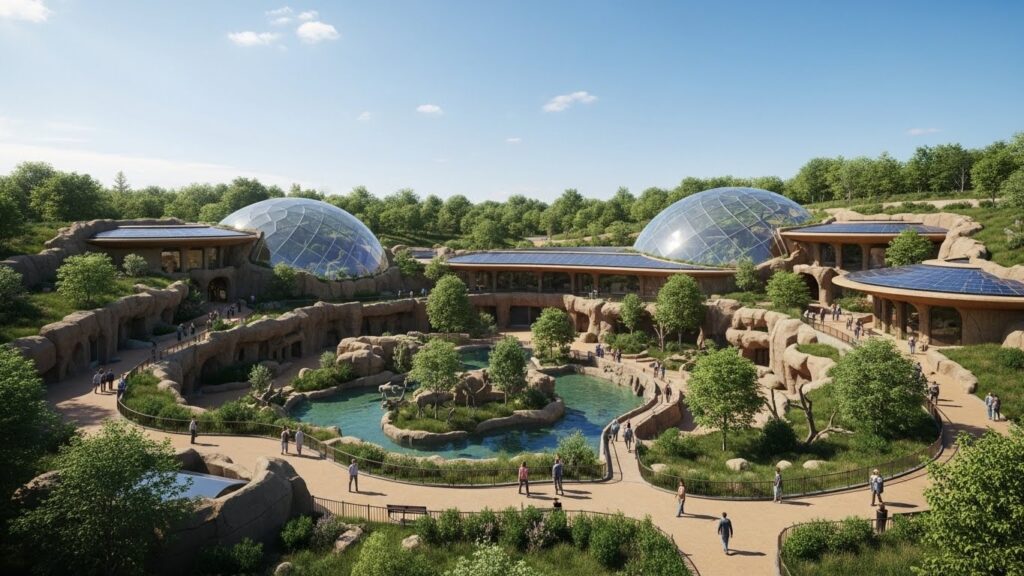
Welcome to the fascinating world of Zooskooñ, where wildlife conservation takes on a refreshing twist. Imagine stepping into a space that feels more like a vibrant ecosystem than a traditional zoo. Here, animals roam in habitats designed to mimic their natural environments, and every visit plays an essential role in protecting endangered species. But what exactly is Zooskooñ? As we dive deeper into this unique concept, you’ll discover how it reshapes our understanding of animal care and conservation efforts while offering visitors an unforgettable experience. Join us as we explore the innovative approach that sets Zooskooñ apart from conventional zoos and learn about its significant impact on wildlife preservation!
The Concept and Purpose of Zooskooñ
Zooskooñ reimagines what a wildlife sanctuary can be. At its core, it’s about bridging the gap between humans and animals in a meaningful way.
The concept revolves around immersive experiences that prioritize education and empathy. Visitors engage directly with the environment, fostering respect for wildlife. It’s not just about observing; it’s about understanding.
Purposefully designed spaces mimic natural habitats more closely than traditional zoos ever could. This encourages native behaviors among species and promotes their well-being.
Moreover, Zooskooñ plays an essential role in conservation efforts. It raises awareness of endangered species while funding vital research initiatives to protect them.
By blending adventure with responsibility, Zooskooñ aims to inspire visitors to take action—both locally and globally—toward wildlife preservation. The experience is as much about humans learning from animals as it is vice versa, creating a unique bond that transcends conventional zoo experiences.
How Zooskooñ is Different from Traditional Zoos
Zooskooñ challenges the conventional zoo model by prioritizing immersive experiences over traditional enclosures. Here, animals roam in vast, natural habitats that mimic their native environments. This approach fosters a deeper connection between visitors and wildlife.
Unlike typical zoos that often focus on exhibiting animals for entertainment, Zooskooñ emphasizes education and conservation. Each exhibit tells a story about the species’ role in its ecosystem and highlights ongoing conservation efforts.
Another distinction is visitor engagement. At Zooskooñ, guests actively participate in programs designed to deepen their understanding of animal behavior and ecology. Interactive sessions allow visitors to learn directly from experts while supporting animal welfare initiatives.
Moreover, Zooskooñ maintains a strict ethical standard when it comes to breeding programs. The goal isn’t just preservation but also creating self-sustaining populations ready for reintroduction into the wild when possible.
The Impact of Zooskooñ on Wildlife Conservation
Zooskooñ is redefining the landscape of wildlife conservation. By focusing on immersive habitats, it allows animals to thrive in environments that mimic their natural surroundings.
This innovative approach fosters education and awareness among visitors. People leave with a deeper understanding of ecosystem dynamics and the importance of biodiversity.
The integration of local communities plays a crucial role as well. Zooskooñ collaborates with indigenous groups, ensuring that conservation efforts respect cultural values while protecting wildlife.
Research initiatives within Zooskooñ contribute significantly to global conservation efforts. The data gathered aids in species recovery programs and habitat restoration projects worldwide.
Furthermore, revenue generated supports anti-poaching campaigns and preserves critical habitats at risk from urban development. This multifaceted strategy highlights how modern zoological practices can create lasting change for endangered species everywhere.
Behind the Scenes: A Day in the Life of a Zooskooñ Zookeeper
At Zooskooñ, zookeepers start their day early. The sun is just rising when they arrive to check on the animals. Each keeper has a specific area of expertise, whether it’s caring for reptiles, birds, or larger mammals.
Morning routines involve feeding and health checks. Zookeepers observe behaviors closely; any change can indicate an underlying issue.
Training sessions are another vital part of their day. Positive reinforcement is used to strengthen bonds with the animals while also encouraging natural behaviors.
Throughout the day, zookeepers engage with visitors, sharing knowledge about wildlife conservation and animal welfare. They guide educational programs that inspire young minds.
As evening approaches, preparations for nightfall begin. Animals are often more active at dusk; this offers another opportunity for observation before settling in for the night.
Every shift brings new challenges and rewards in this unique environment focused on conservation and education.
Visitor Experience: What to Expect at Zooskooñ
Visiting Zooskooñ offers a refreshing adventure for wildlife enthusiasts and families alike. From the moment you step through the gates, you’re immersed in an atmosphere that celebrates nature.
As you stroll along winding paths, expect to encounter animals in their natural habitats rather than behind bars. The spaces are designed to mimic ecosystems, allowing visitors to observe creatures behaving as they would in the wild.
Interactive exhibits invite guests of all ages to learn about conservation efforts. You can participate in feeding sessions or engage with educational displays that highlight important ecological issues.
Guided tours led by knowledgeable staff enhance your experience. They share intriguing stories about each species and insights into their behavior.
Don’t miss the opportunity to visit the animal rehabilitation center where injured wildlife is cared for. This behind-the-scenes glimpse emphasizes Zooskooñ’s commitment to making a difference beyond mere observation.
Criticisms and Controversies Surrounding Zoosk
Zooskooñ has garnered significant attention and sparked debate in the world of wildlife conservation. While many praise its innovative approach, others express concerns about its practices. Critics argue that some aspects resemble traditional zoos, which have long been criticized for animal welfare issues.
One major point of contention is the idea of captivity itself. Detractors believe any form of confinement compromises an animal’s natural behavior and well-being. They question whether Zooskooñ truly provides a more enriching environment or if it simply rebrands outdated concepts.
Another criticism revolves around funding and resources allocated to such institutions. Some argue that money spent on maintaining Zooskooñ could be better directed toward habitat preservation initiatives or community-based conservation projects in animals’ native environments.
Moreover, there are worries about transparency regarding how species are selected for inclusion within Zooskooñ’s framework. The ethical implications surrounding breeding programs raise questions as well—especially when endangered species are involved.
Despite these controversies, supporters emphasize that Zooskooñ plays a crucial role in education and awareness efforts. They assert that fostering connections between people and wildlife can inspire action towards protecting habitats globally.
As discussions continue around the impact of this unique concept, one thing remains clear: debates about wildlife conservation will persist as society seeks to find balanced solutions amidst evolving ideas on how best to protect our planet’s diverse inhabitants.