
Introduction to Chameleónovité
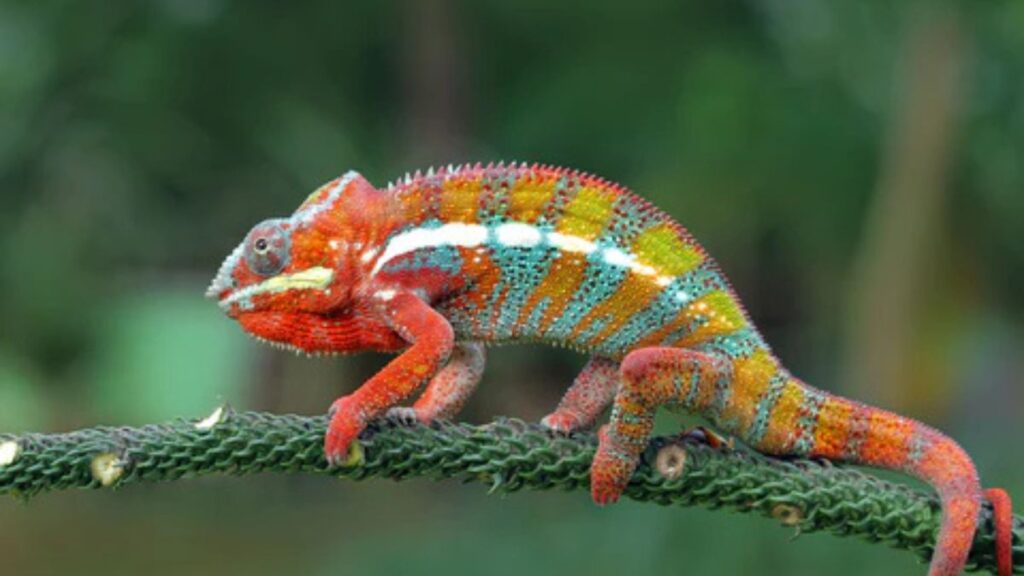
Welcome to the vibrant world of chameleónovité! These fascinating reptiles are not just masters of disguise; they embody the art of adaptation in a way that captivates both scientists and nature lovers alike. With their ability to change color, blend seamlessly into their surroundings, and exhibit unique behaviors, chameleónovité offer a glimpse into nature’s ingenuity. Whether you’re curious about how these extraordinary creatures navigate their environments or simply intrigued by their stunning appearances, there’s so much more beneath the surface. Let’s dive deeper into what makes chameleónovité truly remarkable!
Characteristics of Chameleónovité reptiles
Chameleónovité, commonly known as chameleons, are fascinating creatures that stand out in the reptile world. Their most striking feature is their ability to change color. This remarkable skill serves multiple purposes, including communication and temperature regulation.
These reptiles possess unique physical traits such as zygodactylous feet. Their toes are split into two groups, allowing them to grip branches securely while navigating their arboreal habitats.
Moreover, chameleons have independently moving eyes. This adaptation enables them to spot prey and predators simultaneously without altering their body position.
Their elongated tongues can extend significantly beyond their bodies, providing an effective means of catching insects from a distance.
With vibrant colors and exceptional adaptations for survival, chameleónovité truly showcases nature’s ingenuity in the realm of reptiles.
Adaptation and camouflage in Chameleónovité reptiles
Chameleónovité reptiles are masters of adaptation. Their ability to blend into the environment is not just about survival; it’s an art form. This camouflage allows them to evade predators and ambush prey.
Each species exhibits unique patterns and colors, determined by their habitat. From lush greens in dense forests to sandy browns in arid deserts, they can seamlessly integrate with their surroundings.
Their skin contains special cells called chromatophores that expand or contract. By manipulating these cells, chameleons can shift hues almost instantaneously. However, color change also communicates emotions and social signals.
This remarkable skill represents a complex interplay between biology and behavior. The subtleties of light play a crucial role as well, making each shift in color an intricate dance with nature itself.
In the wild, these adaptations increase their chances of survival against various challenges posed by both predators and environmental changes.
How chameleons change color
Chameleons possess a remarkable ability to change color, a feature that captivates many. This transformation is more than just visual flair; it serves vital purposes in their lives.
The process starts with special pigments in their skin. Chameleons have layers of cells called chromatophores that contain various colors. Underneath these are deeper layers known as iridophores and leucophores, which reflect light differently.
When a chameleon wants to alter its hue, it expands or contracts these pigment cells. This action can be triggered by emotions like fear or excitement, social interactions, or temperature changes.
Surprisingly, the environment plays a role too. A chameleon might adopt hues matching its surroundings for added camouflage.
This dynamic capacity not only helps them evade predators but also facilitates communication with other chameleons through vibrant displays of color shifts.
Other types of camouflage in reptiles
Reptiles have developed various forms of camouflage, each tailored to their unique environments. Beyond the well-known color-changing abilities of chameleónovité, many reptiles employ different strategies.
Some lizards, like the horned toad, flatten themselves against rocks or sand. Their body shapes and colors blend seamlessly into their surroundings, making them nearly invisible to predators.
Snakes take a different approach with intricate patterns on their scales. The Eastern Diamondback rattlesnake showcases diamond-shaped markings that mimic the foliage and soil in its habitat.
Certain geckos go even further by using not just coloration but texture as well. They can adopt rough surface appearances that resemble tree bark or leaves, enhancing their disguise.
Even aquatic reptiles aren’t left out; some species of turtles can change skin tones slightly based on water conditions while remaining motionless among plants. This subtle adaptation helps them remain undetected in murky waters.
The role of adaptation and camouflage in survival
Adaptation and camouflage are vital for survival in the wild. For chameleónovité reptiles, blending into their surroundings offers a dual benefit: evading predators while simultaneously stalking prey.
This remarkable ability to change colors or patterns allows them to thrive in diverse environments. Whether perched on a vibrant flower or nestled among leaves, these adaptations increase their chances of remaining unseen.
Moreover, effective camouflage is not just about color but also about texture and posture. Some species can mimic branches or stones, further enhancing their invisibility.
These skills have evolved over millions of years, showcasing nature’s ingenuity. The stakes are high; visibility can mean life or death in the animal kingdom.
In this ever-competitive world where every meal counts, adaptation isn’t merely an advantage—it’s essential for survival and success.
Human fascination with chameleons
Chameleons captivate our imaginations with their extraordinary ability to change color. This remarkable skill has sparked curiosity across cultures and generations.
In art, literature, and popular media, these reptiles symbolize transformation and adaptability. Their vibrant hues inspire artists and storytellers alike.
People are also drawn to the science behind chameleons’ camouflage techniques. Observing how they blend into diverse environments fuels a sense of wonder about nature’s ingenuity.
Moreover, chameleons have become popular pets for reptile enthusiasts. Owners often marvel at their unique personalities and behaviors, forging a bond that deepens appreciation for these creatures.
Social media further amplifies this fascination. Stunning images of chameleons in various colors circulate online, attracting fans from around the globe.
Our connection with chameleons reflects humanity’s innate desire to explore the mysteries of nature while celebrating its diversity.
Conclusion
Chameleónovité reptiles, with their remarkable ability to adapt and blend into their surroundings, continue to captivate both scientists and nature enthusiasts alike. Their unique characteristics distinguish them in the reptile kingdom. From color-changing capabilities to various forms of camouflage, these fascinating creatures show us the wonders of evolution.
The art of adaptation is not just a survival mechanism; it is a testament to the resilience of life on Earth. As we delve deeper into understanding chameleónovité, we appreciate not only their beauty but also the complex ecosystems they inhabit.
Our fascination with chameleons speaks volumes about humanity’s relationship with nature. These extraordinary reptiles inspire curiosity and admiration while reminding us that there is still so much left to discover about our planet’s biodiversity.
As we learn more about these incredible creatures, one thing remains clear: the world of chameleónovité offers endless opportunities for exploration and appreciation.