
Cooking is an art, and like any artist, you need the right tools to create your masterpiece. One of the most crucial tools in a chef’s arsenal is accurate measurements. Whether you’re baking a cake or whipping up a savory stew, getting it just right can make all the difference between culinary delight and disaster.
But with so many measurement units floating around—ounces, cups, grams—it’s easy to feel lost in the kitchen. If you’ve ever stared at a recipe that calls for ounces when all you have are measuring cups (or vice versa), then you know exactly what I mean! Fear not; this guide will unravel the mystery behind oz to cups conversion and empower you to cook with confidence.
From understanding what constitutes an ounce versus a cup to providing handy tips for precise measurements, we’ve got everything covered. With our easy-to-follow format and useful charts at your fingertips, you’ll never second-guess your ingredients again. Let’s dive into this ultimate guide designed specifically for home cooks eager to measure up their skills!
Understanding the Importance of Accurate Measurements in Cooking
Accurate measurements are the backbone of successful cooking. When you measure precisely, you ensure that flavors blend harmoniously. A pinch too much salt or a dash too little sugar can significantly alter your dish.
Baking is particularly unforgiving when it comes to measurements. The balance of ingredients affects not just taste but texture as well. Imagine biting into a cake that’s dense instead of fluffy—disappointing, right? That’s often due to incorrect ratios.
Even savory dishes require attention to detail. Too much liquid might turn your sauce watery, while insufficient seasoning can leave food bland and uninviting.
By mastering accurate measurements, you elevate your culinary game. It allows for consistency in recipes and builds confidence in trying new ones. Precise measuring opens up a world where each dish becomes a delightful experience rather than a gamble with uncertain outcomes.
What is an Ounce and a Cup?
An ounce is a unit of weight commonly used in cooking, especially for measuring dry ingredients. It’s part of the imperial system and equals approximately 28.35 grams. This measurement can be crucial when precision matters, such as in baking.
On the other hand, a cup measures volume rather than weight. In the U.
S., one cup is equivalent to 8 fluid ounces or about 237 milliliters. It’s often used for both liquid and solid ingredients.
Understanding these two measurements helps you navigate recipes more effectively. They serve different purposes but are equally important in achieving delicious results in your kitchen adventures.
The distinction between ounces and cups becomes essential when converting ingredients, ensuring that every dish turns out just right without any guesswork involved.
The Oz to Cups Conversion Formula
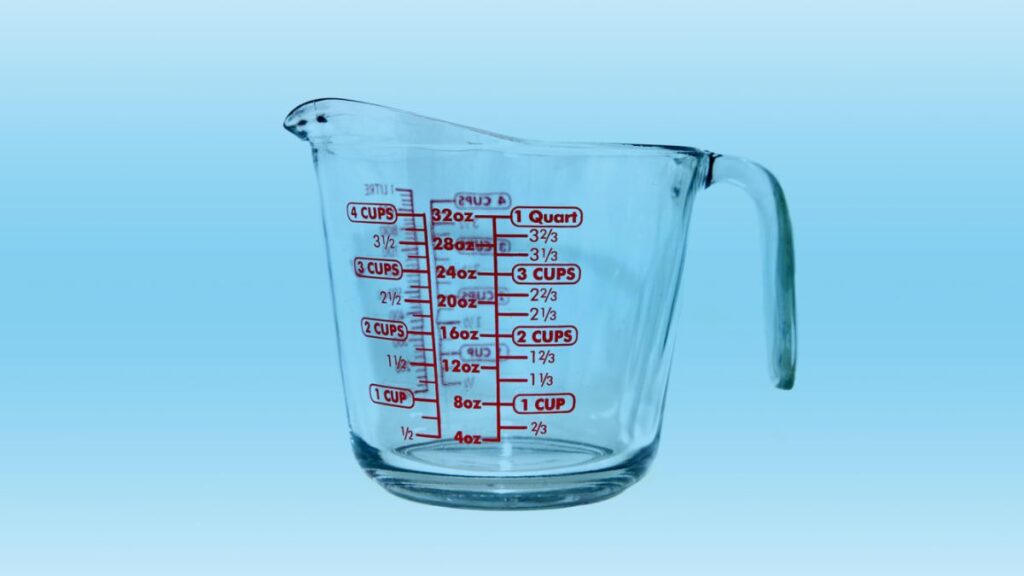
When it comes to converting ounces to cups, there’s a straightforward formula you can rely on. One cup is equivalent to 8 fluid ounces. This simple ratio makes it easy for home cooks to switch between the two measurements without breaking a sweat.
To convert ounces into cups, divide the number of ounces by 8. For example, if your recipe calls for 16 oz of liquid, just do the math: 16 ÷ 8 equals 2 cups.
Understanding this formula not only simplifies your cooking process but also ensures precision in your dishes. Whether you’re baking or preparing savory meals, accurate measurements are key to achieving consistent results every time you step into the kitchen.
With this formula up your sleeve, you’ll navigate recipes with confidence and ease!
Commonly Used Ingredients and their Oz to Cups Measurement
When cooking, it’s essential to know how common ingredients convert from ounces to cups. This knowledge can elevate your culinary skills.
For instance, granulated sugar measures at 7 ounces per cup. If you need a quick sweet fix in your recipe, this conversion will save time and ensure accuracy.
Flour behaves differently. A standard cup holds about 4.5 ounces of all-purpose flour. Too much or too little can change the texture of your baked goods dramatically.
Brown sugar is denser and packs differently, weighing around 8 ounces per cup when firmly packed.
If you’re working with liquids like water or milk, the conversion remains straightforward—1 cup equals 8 fluid ounces every time.
Knowing these measurements helps streamline meal prep while ensuring delicious results.
Handy Tips for Measuring Ingredients
Measuring ingredients correctly can elevate your cooking game. Start with dry ingredients like flour or sugar. Always spoon them into the measuring cup, then level off with a straight edge.
For sticky substances such as honey or molasses, lightly greasing your measuring cup helps them slide right out. A quick tip: use hot water to warm the cup for easier pouring.
Liquid measurements are just as crucial. Use clear liquid measuring cups made of glass or plastic for accuracy. Pour until you reach eye level; this ensures precision without guesswork.
When working with small quantities, invest in a set of kitchen scales that can measure ounces and grams accurately. This is especially useful for recipes that require exact amounts.
Don’t rush the process. Taking time to measure improves consistency in your dishes and leads to better results every time you cook!
Conversion Chart for Easy Reference
Having a handy conversion chart can be a game-changer in your kitchen. It provides quick answers when you’re caught between ounces and cups, saving time during meal prep.
In general cooking, one cup equates to 8 fluid ounces. This basic ratio helps simplify many recipes. If you’re measuring dry ingredients like flour or sugar, remember that the weight may vary slightly depending on how it’s packed.
A well-organized chart will display common conversions for various ingredients. For instance, 1 ounce of butter is approximately two tablespoons while 4 ounces of cheese equals about 1 cup shredded.
Keep this chart visible in your workspace—perhaps on the fridge or inside a cabinet door. It serves as an accessible guide whenever doubt arises with measurements, ensuring precise results every time you cook!
Conclusion
Accurate measurements are essential in cooking, as they ensure that your dishes turn out just right. Understanding the differences between ounces and cups can enhance your culinary skills significantly. With a solid grasp of the oz to cups conversion formula, you’ll confidently tackle any recipe without hesitation.
The handy tips for measuring ingredients will further streamline your process, making it easier to create delicious meals every time. Keep our conversion chart close at hand for quick reference when needed.
Now that you’re equipped with all this knowledge, transforming ounces into cups will become second nature. Whether you’re baking or whipping up savory dishes, precise measurements pave the way for tasty outcomes and satisfied palates. Happy cooking!