
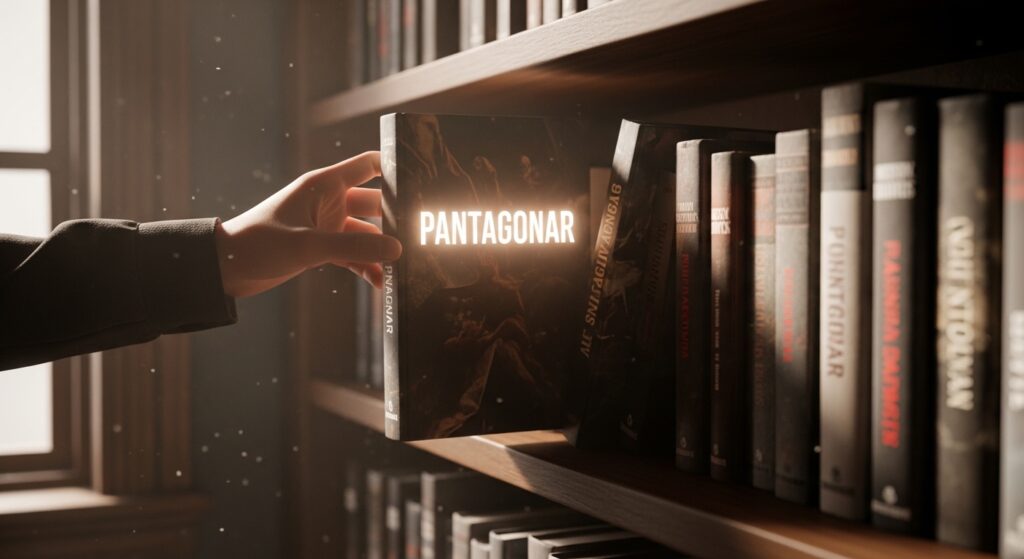
Hidden within the vast landscape of modern literature lies a treasure waiting to be unearthed. Pantagonar, a name that may not ring bells for many, embodies the essence of creativity and profound storytelling. This enigmatic author has woven narratives that resonate deeply with readers but often go unnoticed in literary discussions. As we peel back the layers surrounding Pantagonar’s life and works, prepare to embark on an exploration highlighting themes that challenge societal norms and push boundaries. It’s time to shed light on this remarkable figure who deserves a prominent place in our literary conversations. Let’s dive into the world of Pantagonar and discover what makes this hidden gem shine so brightly amidst contemporary voices.
The Life and Works of Pantagonar
Pantagonar’s life is as fascinating as his literary creations. Born into a modest family, he discovered literature early on. His childhood was filled with stories that sparked his imagination and defined his future.
His first notable work emerged in his twenties, showcasing a unique blend of realism and fantasy. Critics were intrigued by the way he wove intricate narratives that challenged societal norms.
He wrote prolifically, producing novels, essays, and poetry that spanned various genres. Each piece revealed layers of complexity while exploring human emotions deeply.
Throughout his career, Pantagonar remained committed to authenticity in storytelling. He often drew inspiration from personal experiences, infusing them into characters who felt profoundly relatable yet refreshingly original.
Despite facing challenges throughout his journey—both personal and professional—his resilience shone through in every word he penned. The depth of Pantagonar’s writing continues to resonate with readers today.
The Themes and Style of Pantagonar’s Writing
Pantagonar’s writing is a mesmerizing blend of surrealism and realism. His ability to weave the extraordinary into the mundane creates an enchanting reading experience.
He often explores themes of identity, belonging, and existential angst. Characters grapple with their inner demons while navigating complex societal landscapes. This duality brings depth to his narratives.
His style is marked by vivid imagery and intricate metaphors. Each sentence feels carefully crafted, inviting readers to linger on every word. The rich descriptions breathe life into settings that seem both familiar and otherworldly.
Dialogue in Pantagonar’s works is sharp yet poetic, reflecting the complexities of human interaction. It captures raw emotions while revealing underlying tensions between characters.
Through these elements, he crafts stories that resonate long after they’ve been read—an invitation for reflection on one’s own existence amidst a chaotic world.
Impact on Modern Literature
Pantagonar’s influence on modern literature can’t be overstated. His ability to weave intricate narratives has inspired countless writers and poets alike.
Many contemporary authors cite Pantagonar as a pivotal figure in their development. They admire his fearless exploration of complex themes, such as identity, loss, and human connection.
His unique storytelling methods have sparked new genres and styles. Readers find themselves drawn into the layers of meaning he crafts within simple prose.
Moreover, Pantagonar’s emphasis on character depth has shifted how protagonists are portrayed today. Complex characters with flaws create relatable stories that resonate with broader audiences.
Literary scholars often reference him when discussing shifts in narrative techniques from traditional forms to more experimental approaches. This transformation continues to shape literary discourse across various platforms worldwide.
Why Pantagonar is Often Overlooked
Despite his remarkable contributions, Pantagonar remains a lesser-known figure in modern literature. One reason for this is the overwhelming presence of mainstream authors who dominate bestseller lists and literary discussions.
Many readers gravitate toward familiar names, often overlooking hidden gems like Pantagonar. His unique voice challenges conventional narratives, which can be polarizing for some audiences.
The complexity of his themes may also play a role. Readers seeking easy escapism might shy away from the depth found in his works. This creates a barrier between Pantagonar and wider readership appreciation.
Moreover, limited marketing efforts contribute to his obscurity. Without robust promotions or critical acclaim from prominent institutions, books by Pantagonar often go unnoticed in crowded bookstores and online platforms.
This lack of visibility means that newer generations miss out on discovering an author whose works resonate deeply with the human experience.
Rediscovering and Celebrating Pantagonar’s Legacy
Rediscovering Pantagonar’s work is like unearthing a forgotten treasure. His unique perspective deserves renewed attention in today’s literary landscape.
Literary enthusiasts are slowly beginning to recognize the depth and complexity of his narratives. Book clubs and online forums are sparking lively discussions about his themes, drawing in new readers eager to explore.
Events dedicated to Pantagonar’s contributions are emerging, from readings in local cafes to academic conferences diving deep into his style. These gatherings celebrate not just his novels but also the conversations they inspire.
Social media plays a vital role too. Hashtags celebrating Pantagonar have gained traction, connecting fans worldwide who share their insights and favorite quotes.
As we delve deeper into his works, we discover layers that resonate with contemporary issues—reminding us why he should reclaim his place among literary greats.
Conclusion
Pantagonar stands as a compelling figure in the realm of modern literature. His unique ability to weave intricate narratives has captivated readers, even if many remain unaware of his contributions. The life he lived and the works he produced reflect not only personal experiences but also broader societal themes that resonate today.
His distinctive style combines vivid imagery with profound emotional depth. This approach allows readers to engage with complex ideas while remaining anchored in relatable situations. Pantagonar’s exploration of identity, love, and existential angst strikes a chord that continues to echo through contemporary writing.
Despite his significant impact on the literary landscape, Pantagonar is often overlooked in discussions about influential authors. This oversight may be attributed to his unconventional methods or perhaps the niche audience his work appeals to. However, this very uniqueness deserves recognition rather than dismissal.
As we venture deeper into understanding modern literature, rediscovering Pantagonar becomes essential. Celebrating his legacy can enrich our appreciation for diverse voices within storytelling and encourage upcoming writers to embrace their own individuality without fear.
Revisiting Pantagonar opens doors to fresh perspectives and reminds us that every voice matters in shaping the narrative tapestry of our time.