
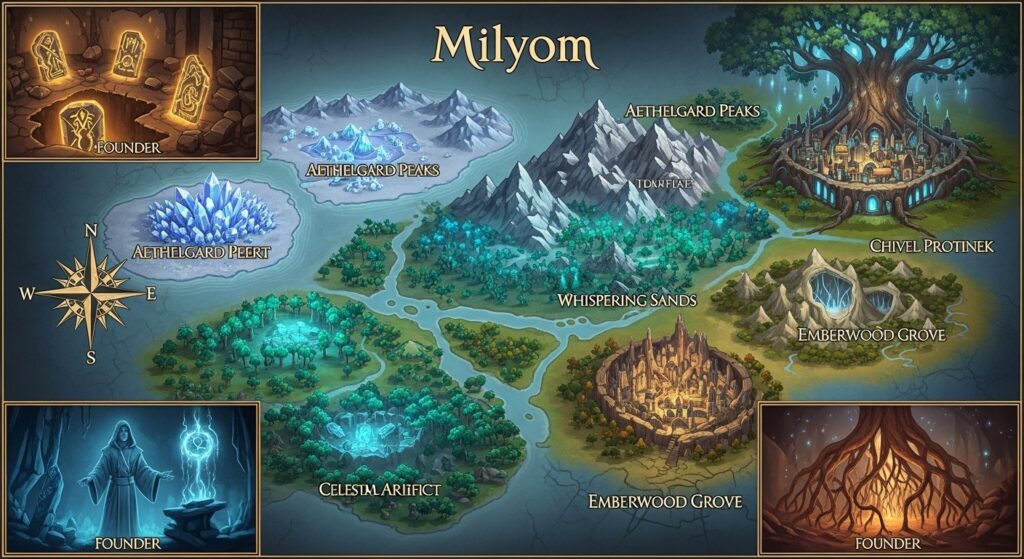
Milyom is more than just a term; it’s a journey into the rich tapestry of history, culture, and human connection. Its roots stretch deep into ancient times, intertwining stories that have shaped communities and traditions. As we embark on this exploration of milyom, prepare to uncover its meaning and significance through the ages. From vibrant celebrations to the lasting impact it has on society today, there’s so much to discover about this fascinating concept. Let’s delve deeper into the world of milyom and see how it continues to resonate with individuals around us!
The History of Milyom: From Ancient Times to Modern Day
The history of milyom is a rich tapestry woven through time. Its roots trace back to ancient civilizations where it was more than just a concept; it represented the intertwining of community and spirituality.
In those early days, milyom served as a marker for significant events. Communities gathered to celebrate milestones, reinforcing their bonds and shared beliefs. As centuries passed, its meaning evolved alongside societal changes.
With the rise of empires and cultures, different interpretations emerged. Milyom adapted, absorbing influences from various traditions while retaining its core essence.
Today, remnants of ancient practices still echo in modern celebrations. People recognize the importance of milyom not only as a cultural hallmark but also as an enduring symbol of unity within diverse communities across the globe.
Cultural Significance of Milyom
Milyom holds a special place in the hearts of communities. It transcends mere tradition, serving as a vital link between generations.
Historically, it embodies shared values and collective identity. Families gather to honor their roots while fostering unity among members. This practice reinforces bonds that might otherwise fade with time.
Artistic expressions often emerge from Milyom celebrations. Dance, music, and storytelling weave through its fabric, enriching cultural heritage. These vibrant displays allow individuals to reconnect with their ancestry.
Moreover, Milyom facilitates social cohesion within diverse groups. It brings people together across different backgrounds under a common purpose—celebration and remembrance.
Participation in these traditions fosters pride and belonging. Each ritual serves as a reminder of one’s unique history while contributing to the broader narrative of society’s evolution over time.
Celebrations and Festivals Associated with Milyom
Milyom is celebrated with vibrant festivals that showcase its rich heritage. Each year, communities come together to honor this tradition with colorful parades and lively music. The atmosphere is electric, filled with laughter and joy.
One of the most significant events is the Milyom Festival, where locals don traditional attire. Dancers perform age-old rituals that have been passed down through generations. This festival creates a sense of unity among participants and spectators alike.
Food also plays a vital role in these celebrations. Special dishes are prepared, reflecting local flavors and customs. Sharing meals during Milyom festivities enhances community bonds and fosters a spirit of fellowship.
Artisans often display their crafts at these gatherings as well. From intricate textiles to handmade accessories, the creativity on display celebrates both individual talent and cultural identity.
Impact of Milyom on Society and Individuals
Milyom profoundly shapes the social fabric of communities, fostering a sense of belonging. It connects individuals through shared practices and beliefs, creating bonds that transcend generations.
On an individual level, engaging with Milyom can offer a path to self-discovery. Many find personal identity and purpose within its traditions. This deep connection often leads to enhanced mental well-being.
Furthermore, Milyom encourages collaboration among community members. Events centered around this cultural phenomenon promote teamwork and solidarity, reinforcing communal ties.
The economic impact cannot be overlooked either. Festivals associated with Milyom attract visitors and boost local businesses. Artisans thrive as they showcase their crafts rooted in these age-old customs.
Through its various influences, Mil yom acts as both a mirror reflecting societal values and a catalyst for positive change in people’s lives.
Misconceptions and Controversies Surrounding Milyom
Milyom often faces misunderstandings that cloud its true essence. Many people mistake it for a mere trend, overlooking its deep-rooted significance in culture and history.
Some view Milyom as something exclusive to one community, disregarding the diverse interpretations it has across various cultures. This narrow perspective can lead to divisive attitudes, creating barriers rather than fostering unity.
Controversies also arise from differing practices associated with Milyom. What one group celebrates passionately might be seen as trivial by another. These divergent views can sometimes spark heated debates among enthusiasts and critics alike.
Additionally, misinformation spreads easily in the age of social media. Mischaracterizations abound, leading many to form opinions based on incomplete or inaccurate portrayals of what Mil yom truly represents. Addressing these misconceptions is vital for appreciation and respect towards this rich tradition.
Preserving the Traditions of Milyom for Future Generations
Preserving the traditions of Mil yom is essential for keeping its rich heritage alive. These customs tell stories that connect us to our ancestors and shape our identities.
Engaging younger generations in traditional practices can ignite their interest. Workshops, storytelling sessions, and cultural festivals are great ways to immerse them in Milyom’s history.
Documentation plays a crucial role as well. Recording oral histories or creating visual media ensures that these traditions are not lost over time. Social media platforms can also help spread awareness beyond local communities.
Collaborations with schools and community organizations foster appreciation among youth. Encouraging participation in rituals strengthens bonds between generations.
The passing down of knowledge is vital too. Elders should share insights about Milyom practices, making learning interactive and memorable for everyone involved. By nurturing curiosity, we pave the way for future advocates of this vibrant culture.
Conclusion
Milyom is more than just a term; it embodies a rich tapestry of history, culture, and community. Its origins trace back to ancient times, illustrating how traditions evolve yet remain anchored in their roots. The significance of Milyom stretches far beyond its historical context; it plays an integral role in shaping identities and fostering connections among individuals.
Celebrations surrounding Milyom highlight the vibrant spirit of communities coming together. These festivals are not merely events but living expressions of shared heritage that resonate with both young and old alike. However, as with any cultural phenomenon, misunderstandings can arise, often leading to misconceptions about its meaning or practice.
The dedication to preserving the traditions associated with Milyom ensures that future generations will have the opportunity to engage with this rich legacy. This commitment reflects a collective responsibility—a promise to honor the past while embracing what lies ahead.
As we explore concepts like Milyom, we uncover layers of understanding that deepen our appreciation for diverse cultures worldwide. It serves as a reminder that every tradition carries stories worth telling—stories that connect us all in our shared human experience.